Whole Grain 100
Email: [email protected]
  • Welcome
  • Price Sheet
  • Store & Classes
  • Baking Education
  • Recipes
  • Grain Education
  • Health & Nutrition

Healthy Substitute for Heavy Cream

10/18/2015

14 Comments

 
Nothing warms the soul like a thick creamy bowl of soup. Many soup recipes add cream as the base stock or to finish the soup. The cream adds a richness and a smooth texture that is wonderful tasting just not so good for the waistline.

I have tried lowering the calories by substituting low fat milk or yogurt and the result is a curdled mess once the soup comes to a simmer. I read this tip in Cooking Light and it's a great way to lighten up those creamed based soups.

They suggested using brown rice to substitute for the cream. It seemed a bit strange but when the brown rice is overcooked in a broth and then pureed with low-fat milk it works. The  brown rice becomes a rich, nutty cream that not only thickens but also adds a velvety-smooth mouth feel with only 7 calories and no sat fat per tablespoon.

Here's the Formula
Bring 2 cups unsalted chicken stock and ½ cup uncooked instant brown rice to a boil in a small saucepan over medium-high heat. Cover, reduce heat, and simmer 25 minutes. Remove from heat; let stand 5 minutes. Blend mixture and 1 cup, 1% low-fat milk in a blender until smooth. Makes 3 cups.

Try this next time you are tempted to make that cream base soup. It will make you a believer.


Source:
Cooking Light Brown Rice Cream
107 calories 1.3g fat 0.5g sat fat per cup
14 Comments

Tips for Holiday Baking

10/18/2015

0 Comments

 
How to Make Self Rising Flour  - Sometimes a recipe calls for self rising flour. This is something that you don't need to stock in your kitchen.  It can easily be made by combining 1 cup all purpose flour, 1 1/2 teaspoon baking powder and 1/4 teaspoon salt. Whisk together completely and use in the amount called for. Now if you are using whole grain soft white flour, increase the baking powder to 2 teaspoons per cup and leave the 1/4 teaspoon salt the same.

Measuring Flour or Weighing Flour - My best advice is no matter what type of flour you are baking with the only way to be accurate and consistent is to weigh out the flour. If you don't have a scale, the holidays are coming and this would be a perfect addition to your tools in the kitchen.

Parchment Paper - Used it to line your pans so there is no need to grease and butter the baking sheets or cake pans. Simply tear off enough to cover a cookie sheet. When lining your cake pans no matter what shape, draw around the bottom of the pan on the parchment paper and cut out.  Place it on the inside of the pan. This will save you time and cleanup along with knowing your cake will easily be removed from the pan. Parchment paper is a bit pricey so don't throw it out after one use. I reuse mine several times with out any issues.

To Prevent Over browning of Cookies: -  Baked goods made with brown sugar, honey, molasses or corn syrup brown very quickly in the oven. Cookies, because they are small and thin, can over brown or burn before they are finished baking.  My solutions is a sil pad, they line your baking sheets and prevent burning. If you don't have one double pan each baking sheet. Simply put one cookie sheet on top of another and bake according to the directions. The double panning slows the heat to the bottom and although they usually take a few minutes longer to bake, they will be perfect when finished.

To Make Buttermilk or Sour Milk - To make a substitute for buttermilk or sour milk called for in a recipe, remove 1 tablespoon milk and add 1 tablespoon lemon juice or vinegar to a cup of whole or 2% milk. It will probably curdle but that is fine. If you make kefir, you can use it instead of the buttermilk, use the same amount as called for in the recipe.

Toasted Nuts -  Nuts add great flavor, take the extra time to toast them it really enhances their flavor. Preheat the oven to 350 degrees, spread the nuts out in a single layer on a rimmed baking sheet and toast for 7 to 12 minutes depending upon the nut. Be careful not to burn them, so stay close to the oven. If you smell them remove them from the oven and allow to cool before adding to the recipe.

Cookie Additions - Sometimes it's hard to get the chocolate chips or any additions to the batter mixed evenly.  Save about 1/3 cup chips out of the batter. When you get to the bottom of the bowl where there aren’t as many chips, stir them in. That way the last cookies will have the same amount of goodies as the first ones baked.

Source:
Pastry Like a Pro
Helen S. Fletcher

0 Comments

Save Your Ginger Peels

9/27/2015

1 Comment

 
Fresh ginger can be used in so many types for foods from teas to the main course. When you buy it at the store buy only what looks fresh and plump. I take it home and freeze it, that way you will always have it on hand for cooking.

When peeling it instead of tossing your ginger peels in the garbage (or compost!), use them to create a potent broth that you can add to…just about anything. Here’s how to do it.

How to Make the Broth
Add at least a quarter of a cup of ginger peels to a quart of water. The more ginger you add, the more flavorful (potent) it will be. Bring the mixture to a boil, cover, lower the heat, and simmer for 30 minutes. Let the broth cool completely, then strain out the ginger peels and store the broth in a container in the fridge. You can even boil the peels a second time, the broth will not be as strong but will still be tasty.

Add to Juice
Ginger helps with digestion, pain and inflammation. A couple tablespoons of the fiery broth added to your juice may just be what the doctor ordered for those stomach issues.

Steam Some Veggies
Steamed root vegetables like turnips, rutabagas, and radishes may not seem exciting.  Use a double-boiler or a covered, heat-proof colander set over a sauce pot containing the broth, and simmer the broth until the vegetables are fragrant and tender. Add to a salad for that extra flavor, or use the root vegetables for a simple side dish.

Mix Up a Cocktail
Use your homemade ginger broth as a  mixer for your cocktails for example ginger and vodka, gin or sparkling wine. You can also sweeten the broth while it cooks to form a simple syrup.

Have Some Sweet Tea
Ginger tea is well-known as a soother of upset stomachs and as a tasty, caffeine-free way to unwind. To make a tea, dilute the broth with hot water and stir in the sweetener of your choice. Maple syrup and honey both go great with ginger’s earthy flavor. Add this to your tea and enjoy.

Simmer Some Soup
Carrot ginger soup is a classic. Enhance the flavor of this favorite soup by adding your (unsweetened) ginger broth to the soup.

In Baked Goods
If the recipe calls for a liquid, substitute the ginger broth. If you are making a baked good with yeast be careful not to add too much, dilute it. For muffins or any quick bread it will add extra flavor.

The options are endless, just use your imagination, and enjoy the benefits of adding fresh ginger to your meals.

Source
August 24, 2015 / Bon Appetite, Rochelle Bilow


1 Comment

What is Pickling Salt?

8/18/2015

2 Comments

 
The canning season is upon us and your recipe calls for pickling salt. Pickling salt, or sometimes called canning salt or preserving salt — is pure granulated salt (sodium chloride).  Pickling salt does not contain any anti-caking ingredients, which can turn the pickling liquid cloudy, or dark. Also, pickling salt has fine granules that makes it easier to dissolve in your brine. Morton and Ball are two common brands available at most grocery stores. It's usually in the salt section or next to the canning jars.

The question is do you really need pickling salt for pickling? While pickling salt is ideal, it's not the only salt that can be used. Kosher salt is a great alternative, as long as it's pure salt without any additives. Read the label carefully. (Diamond Crystal is a good brand; avoid Morton, which does contain anti-caking agents.) Pure sea salt can also be used in pickling.

Although table salt is perfectly safe to use in pickling, it is not recommended because the quality of pickles may suffer due to its additives.

Substitutes for Pickling Salt
When making substitutions for pickling salt, keep in mind that weight per volume can differ. Salts coarser than pickling salt may also take longer to dissolve. The University of Wisconsin - Cooperative Extension advises that
1 1/2 cups of flaked kosher salt equals about 1 cup of canning and pickling salt, or about 50% more kosher salt. For fermented pickles, they recommend measuring by weight: 7 3/4 ounces (220 grams) of flaked salt is equivalent to 1 cup of canning and pickling salt.

Sources
University of Wisconsin Cooperative Extension .... Great Hand out!
2 Comments

Guar Gum A Thickening Agent

7/14/2015

13 Comments

 
Most folks when they need to thicken gravy or pudding reach for flour or cornstarch to do the job. I have use both products to thicken the gravy at many holiday meals with much success. There are some tricks when adding the cornstarch or flour or you will have lumps.

There is a new thickener on the market you may not of heard of, Guar Gum. It definitely has some advantages over flour and cornstarch in certain applications. Guar gum is a stabilizer and thickener derived from the guar or clusterbean plant, which is native to India. It's often used as a gluten substitute in gluten-free baked goods, to give the product some structure. Guar Gum is used in many commercial products, but has not been discovered by many home cooks.

Advantages

Guar gum has almost 8 times the thickening power of corn starch and corn starch has twice the thickening power of flour. If you use 2 T. flour per cup of liquid, that would translate into about 3/8 teaspoon Guar Gum.

Guar Gum doesn't break down like cornstarch when heated. Technically, it requires no heat to thicken, but it takes a few minutes to hydrate, so heat is generally recommended.

Guar Gum does tend to clump when added to  a liquid. Since the amounts of Guar Gum are so small, sprinkle it over the liquid and whisk vigorously. That works pretty well for me. If the lumps aren't too big, letting the sauce sit for a while should also help.

Applications
Salad Dressings
Pies

Adding the Right Amount for Thickening
  • Use guar gum in place of flour or cornstarch in recipes to act as a thickening agent. When using guar gum in place of flour, use a sixteenth of what is called for in the recipe.
     
  • Guar gum Substituted for Flour
    For example, if your recipe calls for 2 tablespoons of flour, use 3/8 teaspoon of guar gum. If the recipe calls for 1/4 cup of flour, use 3/4 teaspoon of guar gum. Measure exactly, as even small changes in the amount of guar gum can result in a changed consistency.
  • Guar gum Substituted for Cornstarch
    If you are replacing cornstarch in a recipe for thickening, use an eighth of what is called for. If the recipe calls for 2 tablespoons of cornstarch, use 3/4 teaspoon of guar gum. If the recipe calls for 1/4 cup, use a 1 1/2 teaspoons of guar gum.

Techniques for Use
  • Since guar gum does not require heat for thickening, it is useful for thickening room temperature or cold dressings and sauces. Guar gum is relatively tasteless, especially since so little is used compared to the bulk of the recipe. Add the guar gum by 1/8- to 1/4-teaspoon increments and stir or shake well. Adding too much will give the food a gummy texture.


Clumping Prevention
  • Guar has a tendency to clump. To combat that, sprinkle the guar gum into the food evenly. Some people like to use clean spice shakers. Add the amount you want into the shaker and sprinkle it in, continuously stirring.


Read more : http://www.ehow.com/way_5296345_tips-use-guar-gum.html

13 Comments

Prevent Moldy Berries

7/14/2015

0 Comments

 
Picture
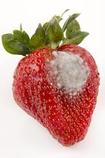
The next best thing to buying your berries on sale it to be able to eat them before they start to mold. Fruits are important in your diet so keeping them fresh as long as possible should be your goal.

Next time you come from the farmers market with a bag or two of berries, you can apply a homemade solution in order to prevent them from spoiling.  The secret lies in vinegar! Vinegar can kill any mold spores or other kinds of bacteria on the surface of the berries, which  causes them to lose their freshness. Prepare a mix of 1 part white or apple cider vinegar and 10 parts water. Then dump the berries into the solution and swirl them around for a bit. After that, drain them and place in the refrigerator. This tip will extend the life of your berries about a week, when kept in the refrigerator.


0 Comments

Keeping That Pitcher Of Drinks Cold

6/21/2015

3 Comments

 
Picture
Summer is here and that means hot humid weather. Keeping that pitcher of drinks chilled can be an issue. You want something that is longer-lasting than a simple bag of ice. The small cubes made in your freezer's ice maker are fine for filling glasses, but they just won't do when it comes to a pitcher of drinks. The problem with the small ice cubes is they melt too fast in a large pitcher, resulting in the pitcher of drinks getting watered down.

Tip:
The Best Tool for larger cubes: Muffin Tins
Before making your next pitcher drink, reach for a muffin tin (or two).  Muffin tins are the ideal size to make large, long-lasting ice cubes to keep a pitcher of drinks cool.

Fill the muffin cups with plain water or make the ice more fun by adding sliced lemon or small pieces of fruit. Then, to release the cubes, just run the bottom of the muffin tin under hot water for about 30 seconds.

These large cubes will last longer in your pitcher and will keep the beverage colder. So enjoy the heat but remember to drink plenty of fluids.

3 Comments

Crunchy Additions to Ice Cream

6/2/2015

0 Comments

 
Home made ice cream is a summer treat and we always add bits of cookies, granola, or other tasty treats. The problem has been how to keep these additions from becoming mush in the ice cream.

There’s a secret that professional ice cream makers know and it's easy for you to achieve with your own creations. The secret is coating the crunchy bits with melted chocolate. The chocolate give them a protective coating from the ice cream, thus allowing them to retain their crunch.

How To:
Melt  the chocolate with a little coconut oil, this thins it out so it provides better coverage. Your teeth will thank you, a thick layer of chocolate might be too hard to bite into when frozen.  Break your crunchies into little pieces—they should definitely be small enough to fit on a spoon—and dip them in the melted chocolate. Allow them to cool on a wire rack until totally solidified.  Add them to a running ice cream maker once the ice cream is almost finished mixing. You can also mix them into the softened ice cream by hand. So, next time you mix up your favorite ice cream add a bit of chocolate crunch.

Need some inspiration?
Broken-up graham crackers
Cookies of any type
Crumbled potato chips
Pretzels
Bits of waffle cone
Granola

Sources:
Bon Appetite May 2015
Rochell Bilowif

0 Comments

How to Keep Your Avocados Green

5/15/2015

0 Comments

 
Avocados are expensive and you want to keep them looking fresh and green. Once you cut into your avocado the air starts to turn the avocado from vibrant green to a dark brown in color. One way to avoid this is to cut the avocados at the last minute before serving. This seems easy but when entertaining you want to do as much ahead of time to enjoy your guests.

Tip:
If you rinse or submerge the sliced avocado into cold water this prevents the exposed fruit from browning for hours. Just slice and rinse and your avocado will stay green until the guests arrive. So simple and easy, so enjoy those avocados in dips, or on salads, their good for you.

Tamara
Carl
0 Comments

Coconut Oil Labeling

5/12/2015

2 Comments

 
Coconut oil is fast becoming one of our pantry staples. It’s touted as a minimally-processed,  and a heart-healthy alternative to other oils.  Before you ditch your butter, olive oil, and canola oil, read up on the facts—here’s everything you’ve ever wanted to know about this tropical oil (and then some).

So…What Is It, Exactly?
Coconut oil is solid at room temperature and liquid when heated, and is made from the inner white flesh of coconuts. They’re harvested when their outer husks are still green. They’re cracked open, then allowed to mature, or “cure.” The husks are then discarded or sold to be used as fuel. The oil is then processed through either an expeller-press, cold-press, or centrifuge method. Then filtered to remove any impurities before putting into jars.  If you’re unsure of what type to purchase, a good rule of thumb is to seek out the word “virgin,” which means that it was extracted from the first of multiple presses (and is high-quality).

Coconut Oil vs. Coconut Butter (Manna)
You’ll often see jars side-by-side of coconut oil and coconut butter, or manna. Although they look similar, they’re two different products: Coconut oil contains just the oil—it’s extracted from the flesh, which is then discarded. Coconut butter, in contrast, is made by processing the entirety of the white meat of the coconut. You may notice that the oil in coconut butter has separated and risen to the top of the jar, as in natural nut butters. Coconut butter can be used as a substitute for butter, jam, or any spread eaten straight out of the jar, while coconut oil is best used for cooking.

How to Cook With It
Coconut oil is ideal for searing, sautéing, and, depending on the grade, even frying.  When baking, it’s a better substitute for butter than liquid-at-room-temperature oils, like olive oil or canola oil. Although it can be substuted it  but nothing performs exactly like butter. If you’re interested in baking with coconut oil, we recommend using only tested recipes that identify it as an ingredient, as in this chocolate pound cake. Because butter has a greater water content than coconut oil as well as a different melting point, the two cannot be used interchangeably.

On Health
Coconut oil is high in saturated fats (around 90%) compared to olive oil (around 10%). The saturated fat in coconut oil is made up of medium-chain fatty acids, which can raise good cholesterol (HDL) levels and are easily processed in the body—which explains why, despite the high saturated fat content, it’s still considered a nutritional darling.

Labels Matter—Choose the Right One
Virgin vs. Extra-Virgin
These terms, used in olive oil labeling, aren’t entirely relevant to coconut oil. Olive oils labeled as extra virgin must be sourced from the first pressing of olives, and are thicker, more viscous, and less acidic than other grades of olive oils. In contrast, when it comes to coconut oil, there are no such regulations for the word “extra virgin” (yet) so be wary of packaging—many extra virgin coconut oils are identical to “regular” or “virgin” coconut oil; both can be jarred after the first pressing.

Expeller-Pressed vs. Cold-Pressed
An expeller is the machine that processes the coconut flesh and extracts the oil. So, explains Stansbury, “expeller-pressed” just refers to the most basic level of the process. You’ll sometimes see coconut oil labeled as “cold-pressed,” which refers to the highest temperature the oil reaches as it drips from the machine. To be classified as cold-pressed, oil must not exceed 140˚F (although some purists believe it shouldn’t exceed 120˚). Many health-conscious consumers prefer cold-pressed, because they consider the oil to be purer and less processed—although it is not technically “raw.”

Raw
Raw coconut oil must not have been heated above 96˚F, which requires a special cold press or centrifuge. This oil is favored by raw foodists, who steer clear of food heated above 115˚.

Refined vs. Unrefined (White vs. Whole-Kernel)
Refined coconut oil has a milder flavor than unrefined oil. It also has as a slightly higher smoke point (400˚F)—meaning it’s ideal for using in place of other neutral oils that can stand up to high-heat cooking processes. In contrast, unrefined coconut oil (which, to make things confusing, is sometimes labeled as either “virgin” or “extra virgin”) can have a very nutty or tropical taste. The smoke point of unrefined coconut oil is 350˚F.

Some producers skip these labels in favor of the terms “white” vs. “whole kernel” coconut oil. A thin pale brown layer between the flesh of the coconut and its husk is either discarded (in white oils) or processed with the meat (as in whole kernel). The difference is in the flavor and aromatics: Whole-kernel and unrefined oils have a nuttier flavor and are more fragrant.

How to Store It
As with all other oils, you’ll want to store coconut oil in a cool, dark place. Avoid placing them next to the stove or oven, where the temperature fluctuations can cause it to melt and re-solidify, ultimately causing it to degrade faster. You can also store your coconut oil in the refrigerator.

Sources:
Bon Appetite, March 4th 2015, Rochelle Bilow

2 Comments
<<Previous
Forward>>

    Baking Education

    Cooking Tips & Shortcuts

    Archives

    October 2020
    February 2019
    August 2018
    June 2018
    March 2018
    March 2017
    November 2016
    September 2016
    July 2016
    May 2016
    April 2016
    March 2016
    February 2016
    January 2016
    December 2015
    November 2015
    October 2015
    September 2015
    August 2015
    July 2015
    June 2015
    May 2015
    April 2015
    March 2015
    January 2015

    Categories

    All
    Baking Tips
    Candy
    Converting Recipes
    Equipment
    Food Coloring
    Gifts
    Gluten Free Tips
    Herbs & Spices
    Ice Cream Tips
    Leavening Agents
    Meats & Eggs
    Oils
    Pie Tips
    Pie Tips
    Preserving Food
    Thickening Agents
    Tips On Produce

    RSS Feed

Powered by Create your own unique website with customizable templates.