Whole Grain 100
Email: [email protected]
  • Welcome
  • Price Sheet
  • Store & Classes
  • Baking Education
  • Recipes
  • Grain Education
  • Health & Nutrition

Bumper Tomato Crop?

7/24/2016

0 Comments

 
Picture
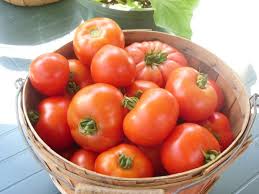
Your garden is overflowing with tomatoes and well you hate to waste them but, you need some easy ideas to put them to good use.


Grated Tomato Sauce
Servings: Makes about 3 cups
  • 3 pounds tomatoes ... use the not so perfect ones
  • Kosher salt
  • ½ cup olive oil
  • 4 garlic cloves, crushed
  • 4 small sprigs rosemary
  • 2 tablespoons unsalted butter

Preparation
  • Slice a thin round off the bottom of each tomato. Starting at cut end, grate tomatoes on the largest holes of a grater over a medium bowl until all that’s left is the flattened tomato skin and stem; discard. Season grated flesh with several generous pinches of salt.

  • Heat oil in a large skillet over medium. Cook garlic, tossing occasionally, until golden brown, about 3 minutes. Add rosemary and cook, tossing, just until fragrant and starting to brown around edges, about 1 minute. Reduce heat to medium-low, add tomatoes, and bring to a simmer. Cook, stirring often, until mixture is slightly thickened, 5–10 minutes. Remove from heat, add butter, and stir until melted. Taste and season with more salt as needed. 

  • Do Ahead: Sauce can be made 3 days ahead. Let cool; cover and chill.

Drying Your Tomatoes
Last year a friend of mine gave me a five gallon bucket of plum tomatoes, he said he had canned enough. I thought there is no way I have time to can all these so I brought out my dehydrator and made short order of all those tomatoes. They were perfect in breads, salads, and soups all winter long. I am hoping this year he has another bumper crop.

If you don't have a dehydrator simply slice them and arrange them on a wire rack set inside a sheet pan, and park them in a 200° oven overnight for easy dried tomatoes. Depending on how many you have you may only need to keep them in the oven a few hours.

Turn on Your Grill
Charring the tomatoes and vegetables adds sweetness and a touch of smoky flavor.

Grilled Salsa Roja
Servings: Make about 3 cups
  • 8 plum tomatoes, cored
  • ½ medium white onion
  • 4 serrano chilies
  • 3 garlic cloves, peeled
  • 1 cup (packed) cilantro leaves with tender stems
  • Kosher salt
Preparation
  • Prepare a grill for high heat. Grill tomatoes, onion, and chilies, turning occasionally, until lightly charred and fragrant, about 4 minutes for chilies and 6–8 minutes for tomatoes and onion. Transfer to a plate and let cool. 

  • Purée tomatoes, onion, chilies, garlic, and cilantro in a blender until mostly smooth and only small pieces remain; season with salt.

Now canning your tomatoes is always an option but who has the time!

Source:
Bon Appetit

0 Comments

Bakers Secret to Perfect Fruit Pies

7/21/2016

2 Comments

 
Picture
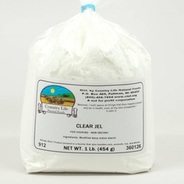
Making a fruit pie can be a challenge. You want the filling to be firm enough to hold it's shape, yet still soft. You also want the filling to retain it's color and taste and not become cloudy or taste starchy. Finally you want it to be easy and mistake proof.

The professional bakers choice is ClearJel®. It comes in two types one made for cooking with the filling, also good for canning pie fillings. The second type is Instant ClearJel® used for fillings that are not cooked like a fresh strawberry pie. Both types of ClearJel®, are available thru the Co-Op, at a very reasonable price.

Advantages of ClearJel®
  • ClearJel® is clear in color when cooked.
  • It has excellent stability.
  • ClearJel® remains smooth.
  • It prevents liquid separation and curdling after foods have been frozen.
  • Custard and pudding pie fillings can be frozen with excellent results.

ClearJel® is a modified cornstarch that works well with acidic ingredients, tolerates high baking temperatures, and doesn't cause the pie fillings to "weep" during storage. It's an especially good choice if you're canning homemade pie fillings, since it doesn't begin thickening until the liquid begins to cool. This allows the heat to be more evenly distributed within the jar during processing. Even using the maximum amount of ClearJel® will result in a pleasing, “soft” gel, unlike the stiff, hard gel you’d get with gelatin.

How to Use Regular ClearJel®
ClearJel® comes in a powdered form, just like cornstarch. When making a fruit filling, start by mixing the thickener with the sugar and spices in the recipe. Not only does this ensure the thickener reaches every part of the filling, it prevents it from clumping. Then sprinkle the mixture over the fruit and put in the prepared pie crust and bake. Every fruit is a bit different so look at the fruit chart below to get an idea of how much you should add. The fruit filling thickens as it cools, so don't judge your pie hot out of the oven, wait until it's cooled to room temperature. 

Pie Chart
Apple Pie 1/2 tsp per cup of fruit
Need the least amount of thickener, since apples are less watery. They are also high in pectin, which helps them set up as filling.

Berry Pie 1 T per cup of fruit
Have a lot of liquid, and release even more if they've been frozen. Blueberries have a lot of pectin, so will need a little less if cooked with lemon juice and sugar.

Cherry Pie 2 1/2 tsp per cup of fruit
Fresh cherries will need slightly less thickener than canned or frozen.

Peach and Stone Fruits 2 tsp per cup of fruit
Don't have quite as much pectin as apples, also have more liquid.

Strawberry and Rhubarb 2 tsp per cup of fruit
Another juicy combination; needs as much thickener as berries do.

Frozen fruit releases more juice than fresh. When baking pie with frozen fruit or berries, increase the thickener by 1/4 teaspoon per cup of fruit or berries.

Lattice-top or crumb-top fruit pies need less thickener, as more moisture evaporates from open-top pies as they bake. When baking a lattice or open-top pie, reduce thickener by 1/4 teaspoon per cup of filling (1/2 teaspoon per cup for Instant ClearJel® ).

Equivalents
1 tablespoon = 4 grams
1 pound ClearJel® = 3 cups ClearJel®
1 tablespoon cornstarch = 1 1/2 tablespoon ClearJel®
2 tablespoon flour or tapioca= 1 tablespoon ClearJel®

ClearJel® it is stable enough to be frozen. You can freeze an unbaked pie and then bake it later without the possibility of the filling becoming runny.

Instant ClearJel®

Is similar but different, Instant ClearJel® will thicken a little bit more when heated. Just like the regular ClearJel®  it is also heat and acid resistance. Instant ClearJel® has excellent cold temperature stability and storage which makes it good for refrigerated and frozen pies. Do not use Instant  ClearJel® for canning your pie fillings. It is only good for one-time heating.

How to Use Instant ClearJel®

Always mix ClearJel® with the sugar in the recipe before using to prevent clumping, then add to the fruit. You do not need to cook the filling. Instant ClearJel® will thicken fruit without baking. It will continue to thicken slightly about 15% thicker from day 1 to day 2.
 
To make a delicious fresh berry pie, cut up the berries, and sprinkle it with half the sugar called for in the recipe. Let the mixture sit for about 20 minutes, until the juices start to collect in the bottom of the bowl. Mix the instant ClearJel® with the remaining sugar, and stir it with the fruit. Gently pour the thickened filling into a cooled pre-baked pie shell. You may top with whipped cream. Instant ClearJel® will give your filling a smooth texture without being gummy when fully hydrated. Instant  ClearJel®– Is good for pies but not recommended for canning.

Storage
Store product in an airtight, moisture-proof container. Kept cool and dry it will last for one year.

Sources:
kingarthurflour.com
www.cooksinfo.com
www.everythingpies.com

2 Comments

Pectin, Pomona's Universal

7/10/2016

0 Comments

 
Picture
Probably many of you are great at canning but for me it's a new experience. This year I thought I would put up some preserves using low or no sugar.  I thought something more on the healthy side would be a good option. I'm not a fan of any artificial sweeteners so the sweetening needs to be natural, like honey or fruit juice


After doing research on the low sugar options I have come across a product Pomona's Universal Pectin specifically made for low sugar canning. This type pectin makes thick jam and jelly with rich, full flavor undiluted by large amounts of added sugar. Ordinary fruit pectins require your jam or jelly to be 55-85% sugar to set firmly.

This product is available at the Co-Op.... Price

Pomona's Universal Pectin™ Description
  • Our sugar free, preservative free, low-methoxyl citrus pectin is specially formulated for making low sugar jam & jelly.
  • Sweeten jam & jelly to your taste with low amounts of any sweetener: sugar, honey, agave, maple syrup, frozen juice concentrate, stevia, xylitol, Sucanat, concentrated fruit sweetener, or Splenda and other artificial sweeteners.
  • Each 1 oz box makes 2 to 4 batches (about 5 – 8 oz jars per batch). Recipes can be doubled or tripled. Each box contains pectin powder, calcium powder, directions, and recipes.
  • Keeps indefinitely.
  • Kosher manufactured.
  • Vegan. Gluten Free. Non-GMO.
  • Celebrating 35 years of low-sweetener jam and jelly.

Now you're free to make cooked jam & jelly and freezer jam the way you like it - sweetened to your taste with honey, sugar, artificial sweetener, fruit juice concentrate or any other sweetener.

0 Comments

Gluten Free Baking Tips Using Eggs

5/18/2016

0 Comments

 
There are some folks that can't eat eggs due to allergies or just prefer not too. Baking without the addition of eggs can be a challenge especially if you are baking with gluten free flour. There are some techniques that you can try but, there is no hard fast rule and every recipe is different. So a bit of patience and experimentation on your part is usually required.

When looking at gluten free recipes you’ve probably noticed that most recipes contain eggs, and sometimes even more eggs than the traditional recipe. That’s because eggs are important to help replace the gluten in your baking. They play three important roles in gluten-free baking:
  • They act as a binder and help to replace the gluten
  • They act as a leavening agent to help baked goods rise
  • They support the structure and texture of the baked goods

General Rule
If the recipe has less then 2 eggs you usually can replace it with something else and have the end product still be a success. If the recipe has more than 2 eggs my suggestion is use a different recipe, the end result will not be satisfactory.

Egg Substitutes
The first is a product called Ener-G Egg Replacer. I have never used  it and looking at it on line it's pricey. It was designed specifically for baking and is made from a blend of tapioca and potato starch, but also contains some leavening agents. You can use it to replace whole eggs, egg whites, or egg yolks. If you have a special occasion and need a gluten free baked item it would be worth the cost.

Your second option is Flaxseed Meal. This is simply a blend of flaxseed and water. 1 large egg = 2 tablespoons flaxseed meal plus 6 tablespoons water.The flaxseed meal when added to the water turns into a gel-like substance and helps to bind everything together.  This is best used in recipes that don't require a lot of rising, like cookies, muffins and pancakes. A couple of issues is it may make your baked item gummy, especially if you replace more than 2 eggs with the flaxseed meal. The second issue is the baked item does not raise as much, so add 1/4 to 1/2 teaspoon more baking powder or baking soda to compensate this issue.


Chia Seeds are another option for an egg substitute in gluten-free baking. Chia seeds are much like the flaxseeds they have a gel-like property when mixed with water. 1 large egg = 1 tablespoon chia seed powder plus 3 tablespoons water.  Chia seeds have the same issues as the flaxseed meal with the leavening and the gummy issues. Again, you may add 1/4 to 1/2 tsp. more baking powder or baking soda to add extra lift.

The last option is the most difficult to work with and that is adding fruit puree instead of an egg. The most common fruits to use are apples and bananas, but others like pumpkin, squash, pear, peach, etc. can also be used depending on the flavor profile of your recipes.1 large egg = 1/4 cup fruit purée. Replace no more than 1 egg with fruit purée; and if there’s more than 1 egg in the recipe, do it in combination with one of the other methods above. Fruit purées work particularly well in moister baked goods like muffins, quick breads and bars, but can also be used in things like cookies and pancakes.
If you’re using a fruit other than banana, which is much stickier than other fruits, you might need to add 1/4 teaspoon xanthan gum to help bind the ingredients together. Again, you also might want to adjust your baking powder or soda if your baked goods don’t rise as expected: try adding 1/4 to 1/2 teaspoon.

Sources:
King Author Flour
0 Comments

Coffee Rubbed Rib Eye Steak

4/4/2016

0 Comments

 
First to get the best steak you need to start with the best beef, and that's grass fed beef. Not only is it better for you, it has less calories ounce for ounce.

Next you need to learn a simple technique called pan roasting. Sure you could put the steak on the grill, but you will have more control and a better end product with this simple technique.

Pan Roasting is a sequence of four easy steps, all designed to achieve maximum flavor and texture.
The Sear: Browning on the stove-top creates a flavorful, crusty outside layer
The Flip: Frequently turning the steak to allow it to brown all over.
The Roast: Place the pan in the oven, where it cooks evenly, without over browning.
The butter Baste: The trick to add another flavor layer.

Oven: Preheat 400 degrees
Equipment:
Cast Iron Skillet

Coffee Rubbed Rib Eye

Rub
2 T. Aleppo pepper or (mix four parts sweet paprika to one part cayenne)
2T. finely ground coffee beans
2 T. freshly ground black pepper
2 T. (packed dark brown sugar)
2 tsp. smoked paprika  or (chipotle powder)
1 1/2 tsp. mustard powder
3/3 tsp chili powder
3/4 tsp ground ginger

Mix all the ingredients in a medium bowl. Put into an airtight container. The rub can be made ahead of time and kept in the cupboard for up to a month.
Prices on herbs and spices from the Co-Op...Pricing

Steak

1 bone in beef rib eye 2 inches thick (about 2-2.5 lb.) at room temperature
2 tsp. kosher salt
4 T. vegetable oil (divided)
3 T. unsalted butter
1 garlic clove, crushed
4 springs thyme
1 sprig rosemary
coarse salt


Steak Directions:
  • Preheat oven to 400 degrees. Set a wire rack inside a large rimmed baking sheet. Season steak with kosher salt and 2 T. spice rub, pressing onto all sides of the meat and adding more spice rub by the teaspoonful if need to coat the entire surface.
  • Heat 2 T. oil in a large cast-iron or ovenproof skillet over high heat.
  • When oil begins to shimmer, place steak in skillet. (Turn on the fan the rub will create some smoke). Sear the steak for 1 minute, any more the rub will start to burn.
  • Transfer the steak to a plate and drain the fat from the skillet.
  • Wipe the skillet clean with a paper towel.
  • Heat the remaining 2 T. oil in a the skillet and sear the other side of the steak for 1 minute.
  • Add butter, garlic, and herbs to the skillet. Cook until butter is foamy. Carefully tip the skillet and, using a large spoon. bast the steak repeatedly with the butter for 1 minute. Turn the steak over and bast the other side for 1 minute.
  • Pile the herbs on top of the steak, transfer the skillet to the preheated oven and roast until an instant read thermometer inserted horizontally into the center of the meat. It will register 125 degrees for medium 15-17 minutes.
  • Transfer the steak onto the rack and let it rest for 20 minutes. Cut the steak from the bone, slice and sprinkle with sea salt.
0 Comments

Release Me Baking Cream

3/19/2016

0 Comments

 
This stuff is amazing, it's all natural and the best thing I have found to grease your pans, muffin tin or cake pans to ensure a clean release.

I do sell a small jar of it but, you can make it yourself and the Co-Op offers the liquid lecithin. You can make as much or as little as you like just use your scale and weigh out the ingredients.

Recipe:
1 part Liquid Lecithin
1 parts coconut oil

Directions:
  • In a glass jar that you are going to keep the final product in, weigh out the ingredients.
  • Microwave them until the coconut oil is melted
  • Mix together well and that's it.

Store in the fridge or leave at room temperature. I usually put mine in the fridge but it does not matter. You don't have to use much, and rub it on the pan until you don't see it. It leaves a coating that really works well.

What is Lecithin?
Lecithin is a pure vegetable fat that is essential in the cells of the body. It can be found in many foods, including soybeans and egg yolks. Lecithin is taken as a medicine and is also used in the manufacturing of medicines.

10 Health Benefits Of Lecithin
There are numerous benefits of lecithin which can help us become healthier here are the top 10 benefits of lecithin:

1.
It breaks up cholesterol and fats in our body so it is very advisable for those who want to lose weight. Consuming more lecithin means increasing the body's metabolism rate.

2. It is very beneficial to students and the elderly who wish to enhance their memory skills. Those with Alzheimer's or amnesia are advised to include lecithin in their diet.

3. Lecithin also cleanses the kidneys and liver which is important to those who are suffering from urinary tract infection and those who love to eat salty and spicy foods. It prevents diseases like gallstones and gallbladder infection.

4. Protects against heart diseases and lowers  your cholesterol level while preventing toxins from clogging the arteries.

5. Helps our body absorb essential nutrients better and support the movement of our body fluids inside and outside the cells.

6. Lecithin nourishes our skin and lessens the possibility of dealing with skin problems like pimples, acne, whiteheads, and blackheads.

7. Increase your physical performance, for those into sports and people who are always on the go. Lecithin can boost the body's energy level without making you fat.

8. If you are suffering from arthritis, you'll be surprised with the benefits of lecithin especially in helping you deal with this painful ailment. Lecithin contains essential fatty acids that keep muscles, bones, and joints strong and healthy.

9. There are also benefits of lecithin for pregnant women. Studies proved that it can contribute a lot to the development of the fetus' brain and nervous system.


0 Comments

How to Freeze Just About Anything

2/16/2016

0 Comments

 
Not everyone has the time to can or dry their food to preserve it. Freezing is simple and straightforward any one can do it. These tips come from Jenny McCoy a pastry chef instructor a the Institute of Culinary Education in New York.
General Rules
1. Never freeze in glass jars unless you know they’re freezer-safe. Glass that hasn’t been tempered is pron to shattering. This is important if you're freezing a liquid because it expands as it freezes. Instead use tupperware or freezer bags instead.

2. Keep a big bag for stock scraps. Whenever you have a few kale stems or carrot bits left over, toss them in there. Then make stock once it’s full.
3. Never,  use hot water to defrost. It's best to defrost the item in the refrigerator which sometimes means a bit of planning ahead.

4. Consider your temperatures. Always think food safety, don't leave your food on the counter to thaw or to cool down after cooking. This rule applies to even meatless dishes.  Food in the refrigerator should be stored at 40 degrees  Fahrenheit or 0 degrees Fahrenheit in the freezer. Use a  thermometer to make sure your appliance is working properly. 

5. Recommended freezer lifespans on the FDA website.

How to Freeze Fruit
Chop your fruit into slices treat with an acid to prevent browning it needed. For berries leave whole, do not wash unless dirty. Lay your fruit on a cookie sheet and freeze. Once frozen place into a freezer bag.

Bananas are different, you can freeze them in their skins, without wrapping them in any way. They do get super mushy after they defrost, so use them accordingly. Most fruits will last two to three months in the freezer

How to defrost:
Fruit has a high sugar content and will only take 30 minutes to defrost on the counter at room temperature. You can also use them frozen in baked items like muffins or cakes.

How to Freeze Vegetables & Herbs
Wash your vegetables and herbs, and chop them to the size you’re mostly likely to cook them in. If the vegetable you are freezing you want to retain a crisp texture then blanch it first. Blanching requires dipping the vegetable into boiling water for a minute or two. Then removing and cooling rapidly in a ice water bath. Leafy greens and soft vegetable like squash or tomatoes are just fine to put into the freezer bag raw. As always, remove as much air as you can from the bag before putting into the freezer.

Herbs are easy chop them up and place them into ice cube trays and cover them with water. Once frozen, remove from the trays and place into the freezer bags. Both vegetable and herbs are good for 2-3 months in the freezer.

How to defrost:
Cook them immediately or defrost in the fridge. Frozen herb cubes can be added directly to soups or sauces.

How to Freeze Soups, Stews, and Stocks
I freeze chicken stock weekly, for making soups. My choice is Tupperware containers. They are small enough so I can defrost one and use it in the recipe. Another option is freezer bags they are a bit thicker and can be stacked once frozen for saving space in the freezer. Once the stock is made, I allow it to cool to room temperature and put it into the refrigerator overnight. This does two things, it's easier on the freezer since it's 40 degrees before placing it into the freezer. Also, with chicken stock, it allows the fat to raise to the top of the container and I can remove it before freezing it. Now I have stock that is flavorful and good for you.

How long will it last?
For the best flavor use your soups, and stews within 2 months for best flavor. They will keep with no problem up to 6 months. Stocks are the building blocks of your foods and since you will be adding other ingredients to the finished dish they are fine to leave frozen for 3 months with out any noticeable flavor difference in the finished product.

How to defrost:
You can always defrost in the refrigerator—slow is best, because it allows for more even defrosting, and ensures that your food stays at a safe. It will take at least 2 days for my Tupperware containers to be thawed completely. But if you’re in a hurry, put your freezer bag or container  in a bowl and run cool water over it.

How to Freeze Meat, Poultry, and Fish
Bags are your friend! Ideally, you want to freeze meat in a vacuum-sealed bag. The less air and moisture lowers the risk of freezer burn. If you don’t have a vacuum sealer, simply try to remove as much air as possible from your freezer bag. Then close the bag almost all the way and with a straw suck the remaining air out before closing it.

How long will it last?
Meat and fish will keep for three to four months, and chicken for six.

How to defrost:
The refrigerator is ideal. You’ll want to get it in there a day before you plan on cooking it, or longer if you have something like a whole bird. If you don’t have that much time, run the bag under cool water.

How to Freeze Condiments and Sauces
It depends on the amount of sauce you will be using at each meal. If it's just a small amount go ahead and put it into ice cube trays. If you need more the snack sized freezer bags are handy for those sauces. This will allow you to reach into the freezer and get just the perfect amount for the planned meal. Keep in mind emulsified oil based condiments and sauces like mayo do not freeze will. It's best just to keep in the refrigerator and use as needed.

How long will it last?
Three to four months.

How to defrost:
Most of the time you are using a small amount and can add it directly into the cooking pot. Otherwise put it into the refrigerator to slowly thaw.

How to Freeze Baked Goods:
If you have small baked goods like cookies, you can just freeze them in a bag. In fact it's helpful to the diet to have the cookies frozen that way they are not just sitting there waiting to be eaten. I take out my allotted amount and keep the rest frozen. Loaves of whole gain bread freeze wonderfully. I bake the bread, let it cool, slice it and freeze it. This way you can take out a slice as you need it, and keep the loaf frozen.
How long will it last?
One to two months for smaller items like cookies and bread slices; two to three months for loaves, cakes, and unyeasted doughs.
How to defrost:
When I need toast in the morning I remove the slice from the freezer and lay it on the plate and in 5 minutes or so it's ready to be toasted and enjoyed.

Casseroles, baked pastas, and other whole dishes:
Use an aluminum pan. Even if you’re working with tempered glass, quickly moving it from freezer to oven could be enough to break your casserole dish. Once your dish is baked and cooled, wrap it in foil, then tightly again with plastic wrap. Good tip: line a baking dish with foil, bake and freeze it, then lift the frozen casserole out of the dish whole, wrap it up tightly, and store it in a freezer bag.

How long will it last?

Two to three months.

How to defrost:

In the fridge. A 13×9-inch casserole will take two days to defrost fully; something smaller will take just a day.

Tips:
Freezing large dishes like baked pastas or casseroles in smaller portions so they’re easier to heat up is a real time saver around our house. We defrost in the fridge and reheat in the oven or microwave. Dishes that freeze the best are those with a high moisture content, like bread pudding or lasagna. Potatoes and other high-starch foods can get a bit mealy after freezing and reheating.

Bon Appetit
January 21, 2016
Written by Marian Bull
0 Comments

Become a More Confident Baker

1/8/2016

1 Comment

 
Cooking and baking are different skills.  Baking is much more of a precise skill. The ingredients and the order they are mixed are usually important. One thing they have in common is balancing the flavor of the finished product. Many times we don't think of tasting and adjusting our baked items as you assemble them. In other words think like a cook consider the flavor, adjusting it and balancing it, like you would when making soup.

Just because you're making something sweet like a chocolate chip cookie you still should be thinking about the balance of sweet to salt to bitterness. This is especially true when doing something with fruits. Let me give you an example, I just recently made a blueberry pie, the recipe called for blueberries and sugar that was pretty much the filling.  The first thing I did was taste the blueberries they were pretty sweet. The recipe called for 1 cup of sugar. In my opinion that was more sugar than I needed since the berries were sweet. So I cut the sugar to 1/3 of a cup. When I make a fruit pie I always cook the filling on the stove top, that gives me control over the amount of liquid in the filling. This will ensure a perfect consistency when you cut the pie. Also it gives you the chance to thicken and taste it before putting it into the crust.

The pie needed some bitterness to add depth to it. So I added 1/2 cup of cranberries. While the blueberries, sugar and cranberries were cooking on the stove, I tasted it, and added a pinch of salt, and an acid to brighten the flavor. I added 1 tablespoon orange zest for the acid. Now it was coming together all it needed was a little cinnamon. After it cooked and thickened up, to the correct consistency, I removed it from the stove and let it cool down. Now it was ready to be put into the awaiting pie crust. 

One final step was to sprinkle the top crust with coarse sugar before putting it into the oven. Since I reduced the sugar in the filling quite a bit, the sugar on top of the crust will trick your senses into thinking it's sweeter than it really is. This is a good way to save calories.

Tips

Taste Everything
Taste the dough, fillings or frosting and adjust as needed. More sugar or salt  is not always better.

Think Balance
Salty, bitter, and sour flavors are just as critical to a balanced dessert as sugar. Balance the sweetness with a touch of bitter to add depth to the baked item. Consider ingredients like booze, coffee, chocolate (all bitters), and fruit purées (sour) as “flavor-balancing tools” to bring depth to an otherwise flat tasting baked item or dessert. Don't forget about herbs and spices they bring flavor without calories.

Next always add a touch of salt unless the butter is salted butter. I always buy unsalted butter to give me more control with the recipe. So next time you make something play around and have fun. Taste it and consider adding something bitter or maybe salty to balance the sweetness of your baked item. You are sure to have a winning recipe!

Source
Bon Appetite, London's Hippest Baker Shares Her Tips for Making Better Baked Goods at Home
November 2, 2015 / Written by Christina Chaey

1 Comment

Cooking with Herbs and Spices

12/18/2015

3 Comments

 
If your goal this year is to eat better, reduce your salt and possibly loose a few pounds adding some spice to your dishes will get you off on the right path. I'm like most folks I didn't really know what to add when preparing my meals.  I wanted the dish to have that special touch and for me to feel satisfied when finished eating. Most home cooks don't add near enough herbs and spices to their dishes. I find if you have a few simple  spice combinations made up you will enhance everything you prepare.

Last year I ordered two books on how to combine herbs and spices.
1) Herb Mixtures and Spicy Blends
Author: Maggie Oster
This is recipes just of herb and spice mixes ... Good Book

2) The Spice Lover's Guide to Herbs and Spices
Author: Tony Hill
This book goes into each herb, how it's grown and what part of the plant to use. It also has recipes that incorporate the herb. There are also recipes of herb and spice blends. Also a good book.

I have enjoyed the recipes from dressings to herbal teas and beverages. Here is a spice blend that I use everyday from making my omelets in the morning to fajitas at dinner.

Thai Hot Pepper Spice
This combination of spices will give anything a bit of a kick. You can increase the cayenne pepper as you see fit.

Combine -- Makes about 1/2 of a cup, keep in a small jar away from light
10 tsp. paprika
2 tsp. ground coriander
2tsp. ground cumin
2 tsp. ground ginger
2tsp. onion powder
1/2 1 tsp. cayenne pepper

How I use the Thai Hot Pepper Spice
  • Picante sauce that's wonderful on eggs or anything, much better then you can buy in the store.   Recipe
  • Chili in the crock pot .... Recipe
  • Fajitas --Onions, bell peppers into a hot pan with a little oil until soft. Add your sliced meat of choice raw or cooked. When heated thru add a good coating of the Thai Hot Pepper Spice and toss to coat the meat and vegetables. Place into the flour tortillas with some cheese and picante sauce and you have dinner.

Spices are expensive but when you buy them from the Co-Op you can get 16 oz. of cinnamon for $3.25. At these prices you can afford to add spice to your life.

Tamara
3 Comments

Test the Freshness of Your Leavening Agents

11/24/2015

0 Comments

 
So how long has it been since you used your baking powder, soda or that yeast you have in the cupboard... be honest. If it's been longer than you want to admit, it might be worth your time to make sure they are still fresh and will give your baked goods the lift they need. Nothing is worse then spending all morning in the kitchen and have your efforts not turnout as planned.

How to Test Your leavening Agents:
Baking Soda
Baking soda is used in all kinds of cookies, muffins and other holiday treats.
  • Put 1 tablespoon vinegar in a small bowl.
  • Stir in 1/2 teaspoon baking soda. The mixture should fizz immediately and quite vigorously. If this is not the reaction you are getting it's time for a new box
  • Baking soda (sodium bicarbonate) is a base and vinegar is an acid. Base + acid = reaction.
Baking Powder
Baking powder is used in cakes, biscuits, pancakes and many quick breads, it's the most popular chemical leavening agent.
  • Put 2 tablespoons warm water in a bowl.
  • Stir in 1/2 teaspoon baking powder. The mixture should bubble and foam just not quite as much as the baking soda and vinegar.
  • Baking powder is a combination of baking soda (base) and cream of tartar (acid), with some cornstarch thrown in to buffer the mixture and prevent an immediate reaction. Since baking powder already includes acid, you don’t need to combine it with acid (vinegar) to see if it’s fresh; you simply need to get it wet.
  • Double-acting baking powder, reacts twice: first when it’s combined with liquid, and again when it hits the heat of the oven.
Yeast
Yeast if stored in the freezer will last years. I use mine so fast it's not an issue for me. If baking bread is an occasional event in your household then you will want to test it for freshness.
  • Dissolve 1/2 teaspoon sugar in 1/2 cup warm water.
  • Stir in a packet of active dry yeast; or 2 teaspoons instant yeast.
  • Go away. Come back in 10 minutes.
  • There should  be bubbles, not a huge amount of them.
If the yeast is fresh use it in your bread. Look at the recipe and reduce the amount of liquid in the recipe by 1/2 cup. Then go ahead and add your tested yeast to the bread and expect great results.

Sources:
King Aurthur Flour
PJ Hamel November 6, 2015


0 Comments
<<Previous
Forward>>

    Baking Education

    Cooking Tips & Shortcuts

    Archives

    October 2020
    February 2019
    August 2018
    June 2018
    March 2018
    March 2017
    November 2016
    September 2016
    July 2016
    May 2016
    April 2016
    March 2016
    February 2016
    January 2016
    December 2015
    November 2015
    October 2015
    September 2015
    August 2015
    July 2015
    June 2015
    May 2015
    April 2015
    March 2015
    January 2015

    Categories

    All
    Baking Tips
    Candy
    Converting Recipes
    Equipment
    Food Coloring
    Gifts
    Gluten Free Tips
    Herbs & Spices
    Ice Cream Tips
    Leavening Agents
    Meats & Eggs
    Oils
    Pie Tips
    Pie Tips
    Preserving Food
    Thickening Agents
    Tips On Produce

    RSS Feed

Powered by Create your own unique website with customizable templates.