Whole Grain 100
Email: [email protected]
  • Welcome
  • Price Sheet
  • Store & Classes
  • Baking Education
  • Recipes
  • Grain Education
  • Health & Nutrition

Keep Your Potatoes & Onions Fresh Longer

2/15/2015

0 Comments

 
Picture
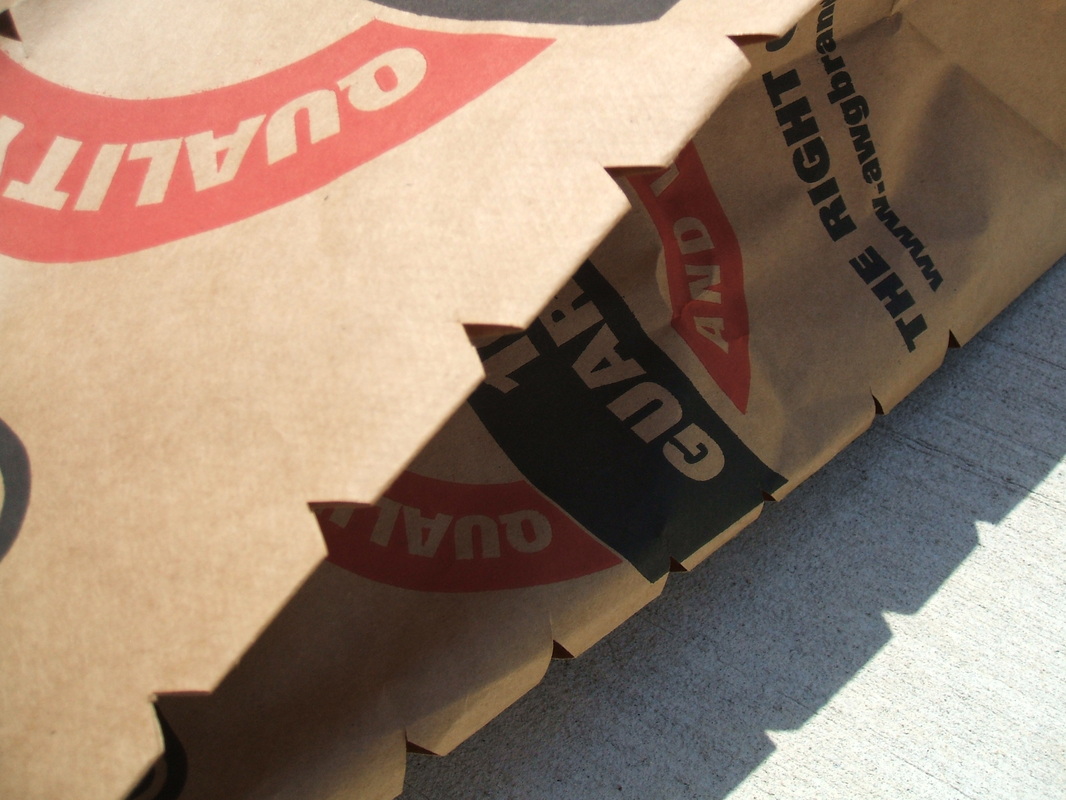
Cut notches out along the bottom of bag and down the center front of bag.
Picture
Cut notches out along all the creases of the paper bag.
Picture
Fold over the top of the bag, put your potatoes inside and clip.
The first item you need is a brown paper bag, like the ones from the grocery store, so next time they ask paper or plastic, say paper. Now that you have your bags, and you will need 2 of them one for the potatoes and one for the onions. What you don’t want is to have your potatoes and onions in close proximity, as gases from the onions can hasten sprouting in your potatoes.

If you have a whole puncher it would be easier but I didn't have one so I cut out triangles out along the seams of the bags which worked just as well. I then created a fold down the front and back of the bag and cut out sections in the middle of the bag. Place your produce in the bag and clip shut. Keep it out of direct light and in a cool place. I was amazed at how much longer my potatoes lasted in the bag. Give it a try.
0 Comments

Artemisia Herb of The Year 

2/15/2015

1 Comment

 
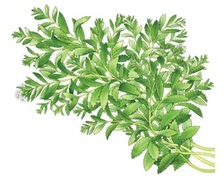
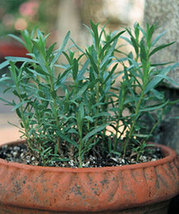
PictureFrench Tarragon
Every year the International Herb Association chooses an 'Herb of the Year", this years selection is the genus Artemisia. This diverse herb family contains many different plants, from the highly decorative Artemisia ludoviciana 'Silver King' to the delicious and tender French tarragon (Artemisia dracunculus 'Sativa').  You my know an Artemisia by the name Sweet Annie, Mugwort, Wormwood, Tarragon, Sloutherwood and Sagebrush. Artemisia has a long history, and has been used to protect, heal, create tasty beverages and even decorate our homes.

Many Artemsia’s have silvery foliage that is fernlike but the foliage and form of Artemisia’s varies widely. Some have dark green narrow leaves, others have broad leaves. The shape and form of Artemisia varies from small rounded bushes, to sprawling mats, with many variations in between. There are even species that form small trees.

French Tarragon

Artemisia dracunculus 'Sativa', commonly know as  French tarragon is a perennial herb with long, light green leaves and tiny greenish or yellowish white flowers. French tarragon is a culinary herb that has a sweet anise flavor, and can be used in salads, sauces and soups. It's also great pared with shellfish, fish, chicken and turkey. 

Growing Conditions
Sun: Full Sun to Part Sun
Soil type: Sandy or Loamy

Planting
  • You can't grow French tarragon from seeds. You must purchase the plants or take an established plant from a friend's garden. Get the transplants in the spring or fall.
  • Plant the transplants in well-drained soil about 2 to 3 feet apart in order to give each plant room to grow. A full-grown plant should cover about 12 inches of soil.
  • The plants should grow to around 2 or 3 feet in height.
  • Tarragon is a good companion to most vegetables in the garden.
Care
  • Be sure to prune the plant regularly to prevent flowering and to keep the height to around 2 feet (otherwise the plant will fall over).
  • Mulch around the plants in late fall in order to protect the roots during the winter.
  • To help keep your plants healthy, divide them every 3 to 4 years in the spring or fall. New plants can grow from stem cuttings or root cuttings.
Pests
  • Many rusts, including white rust
  • Downy mildew
  • Powdery mildew
  • Various fungal leaf and stem diseases

Harvest/Storage
  • Harvest your plant regularly. Two or three plants will suffice if you regularly prune them.
  • Tarragon is best used fresh in the summer.
  • You can freeze the leaves or dry them. If left to dry for too long, the leaves lose their flavor so be careful. As soon as the leaves are dry, store them in an airtight container.

Note:
If you are purchasing the plant be aware that Russian tarragon (Artemisia dracunculoides) is very closely related to French tarragon but has no anise flavor at all.  Sometimes they are mislabeled so ask to taste a leaf to make sure you are getting French tarragon. There is also a Mexican tarragon, which is not in the same family as the French or Russian. It's a marigold (Tagetes lucida), grown as an annual. The leaves have similar oils to those of French tarragon so can be used as a culinary stand-in for French tarragon. When purchasing tarragon, make sure plants in four inch pots have at least three green shoots, and buy them in the spring to plant in your garden before the summer heat sets in.

Medical Benefits  of Artemmisis annua 'Sweet Annie'
The Reason I will be growing Artemesia is for the medical benefits.
Recent research has isolated a chemical, artemesinin, that is quite effective in killing the malaria parasite in the blood and it is sold as a prescription medicine in Africa, Asia and Europe. This anti-malarial compound is isolated from Sweet Annie, (Artemisia annua). This plant is also used in the treatment of fungal pneumonia’s common to AIDS patients along with treating bacteria infections like Lyme disease.

Recipes on blog using French terragon
Herbed Feta Toasts
Tarragon Chicken

Sources:
International Herb Association (www.iherb.org)
Examiner.com Artemisia Herb of the Year
This classic herb provides delicate flavor with minimal effort by Andrew Yeoman Fine Gardening
Old farmers Almanac

1 Comment

Stevia a Sweet Addition To Your Garden

2/14/2015

0 Comments

 
Picture
If you watching your weight or are a diabetic this wonderful little herb is natural sweetener has zero calories and is not metabolized by the body. Stevia is  native to Paraguay and other tropical areas of the Americas, the stevia plant (Stevia rebaudiana) has leaves packed with super-sweet compounds that remain stable even after the leaves have been dried. Which make it a perfect plant,  you can use it fresh from the garden and then dry the leaves in fall before the first frost to use all winter. If you are a tea drinker stevia leaves are a great no calorie sweetener. Stevia can substitute for some, but not all, of the sugar used when baking, because it does not provide all of the multiple functions that sugar does in baked goods.

Growing Stevia
Growing stevia is easy in well-drained beds or large containers.  It likes full sun but if does benefit from afternoon shade in the heat of the day. Stevia grows best in warm conditions similar to those preferred by basil. Plants grown in warm climates will grow to 24 inches tall and wide. Plant 3 -5  plants for a year’s supply of dried stevia leaves. This is considered a tender perennial, (zone 8+) but I had the same plant come back for several years. I planted it right into the garden and harvested the leaves before the first killing frost in the fall. I then mulch the area with about 4 inches of oak leaves. It always made it thru the winter, but it's late to come back to life in the spring so don't give up on it.

Harvesting Stevia
If you plan on harvesting the leaves you will want to plant it where you can access it often to harvest the leaves. In order to maximize the leaf production you must trim back the plant several time to induce branching.  Make your first trimming when the plant is about 8 inches tall in the early spring and then again in early summer cut back the plant in about half. Stevia can be grown from cuttings and I think it's easier than from seed. So use your cuttings to root new plants to give as gifts.

Left unpruned, stevia will grow into a lanky, upright plant that produces tiny white flowers in late summer. To maximize leaf production, you must trim back the plants several times to induce branching, first when plants are about 8 inches tall, and again in early summer. You can use the leaves from the stem tips, or root them in moist potting soil to increase your supply of stevia plants. Stevia can be dried in bunches like other herbs, but you will get better quality by drying it in a dehydrator or a 150-degree- Fahrenheit oven until crisp. Store dried leaves in an airtight container in a cool, dark place. Wait until you’re ready to use stevia leaves to crush them.

This is defiantly an herb you need to add to your garden, and another benefit the deer won't touch it. Below is a chart to give you an idea of how sweet stevia is compared to sugar. Stevia can be used in cooking but does not have the same properties as sugar so I have not been satisfied with the results. I use my stevia mainly for beverages, both hot and cold all year round. Every calorie counts and you know what chemicals it has been exposed to coming fresh from your garden.

Comparisons
Granulated Sugar                     Stevia

1 tsp.                                          1/8 tsp.
1 T.                                             3/8 tsp.
1/4 c.                                          1 1/2 tsp.
1/2 c.                                          1 T.
1 c.                                              2 T.

Submitted by
Tamara Carl

0 Comments

Health Benefits of Cranberries

2/14/2015

1 Comment

 
Picture
We know cranberry sauce as a staple at the holidays, but cranberries are a superfood that you should enjoy all year round.

Cranberries have vitamin C and fiber, and are only 45 calories per cup. In disease-fighting antioxidants, cranberries outrank nearly every fruit and vegetable including strawberries, spinach, broccoli, red grapes, apples, raspberries, and cherries.

One cup of whole cranberries has 8,983 total antioxidant capacity. Only blueberries can top that: Wild varieties have 13,427; cultivated blueberries have 9,019.

While they are available frozen year-round, in fall and winter you can buy cranberries fresh. Fresh cranberries stored in a tightly-sealed plastic bag in the refrigerator will last up to two months. But be careful; if one starts to get soft and decay, the others will, too--so remove soft ones before you store them. Cooked cranberries can last up to a month in a covered container in the fridge.

Slipping Cranberries into your diet, here are a few ideas for getting these antioxidant powerhouses into your life:


  • Add dried cranberries to your favorite cereal
  • Drink 100% fruit juice that includes cranberries
  • Sneak cranberries into blueberry muffins for added color and flavor
  • Pair cranberries with chicken and pork dishes

1 Comment

Types of Teas & Their Health Benefits

2/14/2015

0 Comments

 
I'm an avid tea drinker and enjoy all sorts of tea. The health benefits are many in fact it's a joke at our house because my husband is a coffee drinker and never touches tea. For years I preached the benefits of tea and now they are discovering coffee has many health benefits which my husband points out everyday. I guess he will never be a tea drinker but, for the tea drinkers among us, drink to your health!

Tea has been regarded for thousands of years in the East as a key to good health, happiness, and wisdom. Studies have found that some teas may help with cancer, heart disease, diabetes, encourage weight loss, lower cholesterol, and bring about mental alertness. Tea also appears to have antimicrobial qualities.

“There doesn’t seem to be a downside to tea,” says American Dietetic Association spokeswoman Katherine Tallmadge, MA, RD, LD. “I think it’s a great alternative to coffee drinking. First, tea has less caffeine. It’s pretty well established that the compounds in tea – their flavonoids – are good for the heart and may reduce cancer.”

Although a lot of questions remain about how long tea needs to be steeped for the most benefit, and how much you need to drink, nutritionists agree any tea is good tea.

Health Benefits of Tea:
Tea is a name given to a lot of brews, but purists consider only green tea, black tea, white tea, oolong tea, and pu-erh tea the real thing. They are all derived from the Camellia sinensis plant, a shrub native to China and India, and contain unique antioxidants called flavonoids. The most potent of these, known as ECGC, may help against free radicals that can contribute to cancer, heart disease, and clogged arteries.

All these teas also have caffeine and theanine, which affect the brain and seem to heighten mental alertness.

The more processed the tea leaves, usually the less polyphenol content. Polyphenols include flavonoids. Oolong and black teas are oxidized or fermented, so they have lower concentrations of polyphenols than green tea; but their antioxidizing power is still high.

Here's what some studies have found about the potential health benefits of tea:

  • Green tea: Made with steamed tea leaves,  has a high concentration of EGCG and has been widely studied. Green tea’s antioxidants may interfere with the growth of bladder, breast, lung, stomach, pancreatic, and colorectal cancers; prevent clogging of the arteries, burn fat, counteract oxidative stress on the brain, reduce risk of neurological disorders like Alzheimer’s and Parkinson’s diseases, reduce risk of stroke, and improve cholesterol levels.
  • Black tea: Made with fermented tea leaves, black tea has the highest caffeine content and forms the basis for flavored teas like chai, along with some instant teas. Studies have shown that black tea may protect lungs from damage caused by exposure to cigarette smoke. It also may reduce the risk of stroke.
  • White tea: Uncured and unfermented. One study showed that white tea has the most potent anticancer properties compared to more processed teas.
  • Oolong tea: In an animal study, those given antioxidants from oolong tea were found to have lower bad cholesterol levels. One variety of oolong, Wuyi, is heavily marketed as a weight loss supplement, but science hasn’t backed the claims.
  • Pu-erh tea: Made from fermented and aged leaves. Considered a black tea, its leaves are pressed into cakes. One animal study showed that animals given pu-erh had less weight gain and reduced LDL cholesterol.


Reference
By Julie Edgar
WebMD Feature
0 Comments

Rosemary

2/14/2015

1 Comment

 
I've just moved into a new home and the flower beds need a complete makeover. I've decided I'm going to try to fit some herbs into the  new landscape. Now this is a growing trend but it makes sense, you have to water the  flower bed anyway you might as well get something you can eat in return. Rosemary is a natural choice for this area of North Central Arkansas, the plant is deer proof and stays evergreen. So instead of planting Boxwoods for your foundation plantings think Rosemary. 

Best Variety
The best variety for this area is winter hardy  Rosmarinus officinalis 'Arp'. Discovered in Arp, Texas, by Madalene Hill of Hilltop Herb Farm in 1972.  It is a Medium-high, open growth plant which benefits from frequent pruning.  It has fragrant, thick gray-green leaves with light blue flowers in the spring.   'Arp' is known as the "winter hardy rosemary", since it's  the hardiest variety available (will survive to -10°F). Mature plants can grow to about 5 feet tall and about as wide. If you don't want it to get this big, prune and use all the cuttings in your meals.

Planting Requirements

Rosemary needs a minimum 4 hours of direct sun for optimal growth and if you have clay soil it  needs to be lightened up with compost or sand. Once planted it does not require any fertilizer and is very drought tolerant. It will do fine with as little as 12 inches of rain annually, but an inch a week will make it thrive.

Health Benefits
  • Rosemary is exceptionally rich in many B-complex  vitamins, such as folic acid, pantothenic acid, pyridoxine, riboflavin. It contains high levels of folates which are important in DNA synthesis and when given during the per-conception period it can help prevent defects in newborn babies.

  • Rosemary also contains a good amount of vitamin A, a few leaves a day in the diet is enough. Vitamin A  is known to have antioxidant properties and is essential for vision. It's also required for maintaining healthy mucus membranes and skin. Consumption of natural foods rich in vitamin A are known to help the body protect from lung and oral  cancers.

  • Fresh rosemary leaves are also a good source of  vitamin C. Vitamin C is required for making collagen in the body. Collagen is the main structural protein in the body required for maintaining the integrity of blood vessels, skin, organs, and bones. Regular consumption of foods rich in vitamin C helps the body protect from scurvy; develop resistance against infectious agents (boosts immunity) and help scavenge harmful, pro-inflammatory free radicals from the body.

  • Rosemary is also a rich source of minerals like potassium, calcium, iron, manganese, copper, and magnesium. Potassium controls strokes, blood pressure, anxiety, muscular strength, metabolism, heart and kidney disorders. Manganese is a trace mineral for promoting bone health, and used to treat medical conditions like osteoporosis, arthritis, PMS, and diabetes.

  •  Rosemary is an excellent source of iron, which is a component of hemoglobin inside the red blood cells. Iron  determines the oxygen-carrying capacity of the blood.
  • When considering what to plant in your landscape Rosemary has many lovely benefits from tasting great, to being lovely to look at and easy to care for.
1 Comment
Forward>>

    Archives

    December 2020
    December 2018
    August 2018
    October 2016
    September 2016
    March 2016
    February 2015

    Categories

    All
    Berries
    Herbs
    Teas
    Vegetables

    RSS Feed

Powered by Create your own unique website with customizable templates.