Whole Grain 100
Email: [email protected]
  • Welcome
  • Price Sheet
  • Store & Classes
  • Baking Education
  • Recipes
  • Grain Education
  • Health & Nutrition

Ginger Ale

2/2/2015

0 Comments

 
Picture
Ginger Ale
You will be adding your Ginger Bug to the "wort" or base. You may use any type of base as long as it has sugar, the sugar is for the enzymes. You have to add real sugar not any  type of artificial sweetener it seems like a lot of sugar but there is only 2-3% left after the enzymes convert it to carbonation.  For your wort you could use sweetened tea, fruit juices, herbs or any combination you like.  The recipe below is for Ginger Ale, you could cut the recipe in half if you like.

The WORT = the base
Bring to  a boil:

  • 1/2 gallon of water
  • 3-6 inches of fresh grated ginger root peel and all
simmer 20 minutes, add water to taste (let it cool down a bit first!). While still warm, add
1 1/2  cup of sugar
Pour the whole thing into a gallon container. Let it cool to room temp, add the juice of two lemons (or oranges), which will slow down the fermentation.
Then add  1/2 cup of your prepared ginger bug (either with or without the sediment – keep some sediment for making more bug). You can cut this recipe in half if you would like. The ginger bug is always added to the wort in the ratio of 1/4 cup ginger bug per quart of sweetened wort.

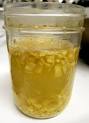
Keep the jar on the counter, with cheesecloth, and stir twice a day. Keep it warm (room temperature) and keep an eye on it.  It could take from 3 days to to 1-2 weeks (again, depending on the temperature) to get ready. Taste it once in a while. If the bubbles rising up at the edge, it’s usually ready.

Replace the water in your ginger bug and add your equal amount of  grated ginger and sugar and set it on the counter to ferment  for a day or two before putting back into the fridge to rest for the next use. The ratio of ginger and sugar to water are always 1/4 cup water add 1 - 1 1/2 T. each of grated ginger and sugar. So for this recipe you added 1/2 cup ginger bug you will replace 1/2 cup water in your ginger bug jar and add 2 - 3 T. grated ginger and sugar.
  • BOTTLE: CARBONATION
Bottle the beer. Leave the bottles out for 1-2 more days.

Keep an eye on them!  It's alive so when you put the liquid in the corked or capped bottle it will be building up pressure.    Corking is better, for the beginner, than capping. If the fermentation runs out of room in the bottle, it will blow out the cork, or it will explode a capped bottle. Both are messy, but the latter is more so, and dangerous. If you add fruits (and thus more sugar, i.e., food for the bacteria), then cut the fermentation and carbonation times in half and watch them even more closely.

When the yeast ferments the sugars (which it will keep doing unless it gets too cold), it produces CO2. Closing off the container at this point will force that CO2 into the liquid instead of letting it escape, thus carbonating your soda, or making it fizzy.

After several days, put the bottles in the fridge to stop the fermentation. It is ready to drink.
0 Comments

How To Make A Ginger Bug

2/2/2015

0 Comments

 
Picture
I was looking thru my Bon Appetite magazine this month and came upon an article about making mixed drinks using the Ginger Bug. I had no idea what the Ginger Bug was, so after investigating I started one using the instructions below. 

How to create a ginger bug to use as the beneficial culture to make healthy fermented homemade sodas like old fashioned ginger ale or root beer.
Author: Wellness Mama Recipe type: Cultured – Beverage Ingredients
  • 1-2 fresh ginger roots
  • ½ cup white sugar (important for starting the culture. Honey, stevia or other sweeteners will not work)
  • 2 cups of water
  • Quart size mason jar
Instructions
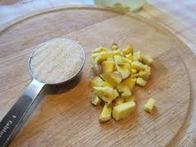
  1. Cut a piece of ginger root about 1.5 inches long to make 2-3 tablespoons of grated ginger. You can also finely chop instead of grating. There is some debate about if it is better to peel the root or not. My genera rule is that non-organic ginger gets peeled and organic just gets rinsed before grating.
  2. Place the ginger in a quart size mason jar and add an equal amount of white sugar (2-3 tablespoons). Nourishing Traditions insists that white sugar is needed to create the bug and I’ve had the best success with this, but a local friend claims that unrefined sugar or sugar with 1 tsp of molasses added works better. Try what you have and adapt as needed. ( I did add the molasses to my mix)
  3. Add 2 cups of filtered water to the mason jar. Make sure that the water has been filtered so that it does not contain chlorine which can affect the culturing process.
  4. Stir with a non-metal spoon and lightly cover. I cover with a coffee filter and rubber band.
  5. Each day for the next five days, stir the mixture at least once and add 1 tablespoon of grated ginger root and 1 tablespoon of sugar. (note: depending on temperature, it may take up to eight days of adding sugar and ginger to create the desired culture).
  6. You can tell if culture is active if there are bubbles forming around the top of the mixture, it “fizzes” when stirred and it takes on a sweet and mildly yeasty smell. It will also become somewhat cloudy and opaque. If mold appears on the top, scrape it off if it can be removed. It this happens more than once, you will need to start again. If the mixture hasn’t taken on these characteristics by the 7-8th day, you need to discard it and start again.
  7. Keep the culture away from other cultures like sauerkraut, kombucha  or kefir it can cross culture.
  8. Once the ginger bug has cultured, it can be used to create fermented sodas and drinks at the ratio of ¼ cup ginger bug starter per quart of sweetened herbal mixtures (for ginger ale or root beer) or diluted fruit juice (for fruit flavored sodas).
Notes: To keep the bug alive and continue growing it, you will need to feed it regularly. Add 1 teaspoon of minced ginger and 1 teaspoon sugar per day if kept at room temperature. You can also “rest” it in the fridge and feed it 1 tablespoon each of ginger and sugar once a week. To reactivate it, remove and let it reach room temperature and begin feeding it again.

0 Comments

Kefir Grains

2/2/2015

1 Comment

 
Picture
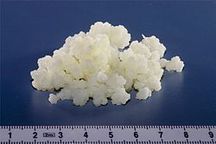
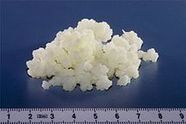
Q. What is kefir? A. Kefir is a health promoting fermented dairy drink, similar to yogurt but slightly tangier. While yogurt usually contains only two or three strains of bacteria, kefir contains a much wider variety of friendly micro organisms, including beneficial yeasts, some of          which can break down lactose [milk sugar].

Q. What is *real* kefir? A. *Real* kefir is kefir prepared in the traditional fashion, starting off with kefir grains. Store bought kefir, on the other hand, is produced by culturing pasteurized milk with a limited number and species of organisms, which are strategically selected to imitate the flavor and texture of the real thing, but with limited properties. In particular, commercial kefir cannot be used to make new kefir on a continuous basis, because the culture inevitably loses viability. Kefir grains, instead, can continue to produce fresh kefir on an indefinite basis. Also, distinctive scientifically proved therapeutic properties of the actual kefir grains, when ingested, which enhance health, are not possible with the use of commercial kefir or a kefir prepared with commercial starter-cultures.

Q. Why should I drink Kefir? Is it healthy? Kefir has many health promoting benefits. In a nutshell, these benefits could be divided in two groups:

1. Kefir grains contain a vast amount of micro-organisms from 4 genus groups, including lactic acid bacteria and yeasts. The distinctive micro flora of kefir is compatible with the needs of our body. Kefir micro-organisms are able to stabilize or balance the Gastro Intestinal tract, as well as ensuring better digestion and fight off harmful bacteria, yeasts [including those which cause stomach ulcers, diarrhea, and yeast infection] and viruses. The consumption of kefir has proven to stimulate the immune system, which can also assist the cells of the body to increase the production of interferon [virus controlling agent] due to a unique lipid [sphingomyelin] found in kefir.

2. Kefir may provide other benefits: the friendly micro-organisms breakdown substances such as lactose in milk and from, this synthesize favorable substances, including lactic acid and "Kefiran", a health promoting polysaccharide unique to kefir grains and to kefir. Kefiran has proven to reduce the size of certain cancers, including having anti-inflammatory properties. Certain organisms of kefir produce lactase, an enzyme which breaks down lactose [milk sugar], which provides the body the ability, to further breakdown any milk-sugar [lactose] in the diet, while taking kefir with that meal.
For More information Dom’s Kefir in-site

http://groups.yahoo.com/group/Kefir_making/
If you bought kefir grains from me here are the instructions...Read More
1 Comment

Kefir Instructions

2/2/2015

1 Comment

 
Picture
Directions
Once you have your grains you are on your way to a great daily kefir treat.
The Kefir grains consist of
mother grains (larger grains) and baby grains. You will need to feed the grains every day to grow new grains. (it's a pet that will take good care of you).
Supplies needed
* 2 mason jars, quarts or half gallons depending on the amount of kefir made daily
* Strainer, plastic is best but metal will work fine.
* Dark closet works fine to grow your kefir.

We find a ratio of 20-1 works best, but you can experiment with your taste buds. The less kefir grains to milk ratio the faster the grain growth and the longer it will take to “kefir”. The longer it takes to “kefir” will also produce a more tart or pungent tasting kefir. To determine your taste and consistency of product, we suggest you start with a ratio of 1 gram kefir grains to about 20 ml of milk. So for example you have 25 grams of kefir grains you will need to add 500 ml or about 2 cups of milk. You can adjust the ratio from 10-1 to as much as 30-1 to suit your taste and time frame.

Once you add milk to your kefir grains you have two options:

1) A Tight fitting lid on the brewing jar, leaving at least 25% of air space at the top. To produce an effervescent kefir (note the grains will grow more slowly but is often a preferred mouth feel).

2) Instead of a lid, put a breathable cloth over the jar secured by a rubber band to produce a non-effervescent kefir which you will get more grain growth.

The above “grain brewing” jar you will place it in a dark place and leave it 10-24 hours. 10-12 hours works best for our tastes, you will see the kefir start to break (curds & whey), it will be thick and the whey will be separating out. At that time we put it in the fridge for 13 hours to several days to “Ripen” its flavor until you strain the grains out.

Our schedule for example
- 6PM Strain kefir grains from kefir. Pour kefir into jar and refrigerate for your consumption the next day. Add fresh milk to another jar and gently stir in the reserved kefir grains. leave in closet over night.

- 6AM Check the kefir “grain brewing” jar it will be ready in the morning to put in the refrigerator to deter the brewing process further. You will strain it at 6PM that evening or leave it several days to “ripen”. We ripen ours 5 days or so.

Note: The kefir grains brew between 61-85 F degrees, at refrigerator temperature the brewing process almost stops completely. The perfect Kefir temperature is 77 F degrees.

People that prefer more tart kefir brew for 24-36 hours and usually never refrigerate their kefir. The grains will grow more prolifically with a tarter taste and are often used to make soft “cheese” (called “Quark”)

Hints that seem to have worked for us
- The larger grains are easier to strain, however, an equal amount of grains by weight of smaller grains will produce a more thoroughly “kefirred” product throughout the “brewing jar”.
-Always put some of the kefir milk in with the fresh milk to help it get going
-The extra baby grains put thru the strainer and consume with your daily kefir milk
-Our kefir was not thick at first it took a couple of weeks to get the hang of it and now it is thick and pretty good.
-Use Dom’s web site it has good information
-Can use as a suitable substitute for buttermilk in waffles, pancakes, bread or in anything buttermilk is used.
-What to do with extra grains, pets love it, eat them, dry them and roll them in sugar as deserts.
-You can make water Kefir from your milk grains read how on Don’s web site.
-Go to U-Tube and watch other make kefir will give you an idea what other folks do

1 Comment

The Art Of Fermentation

1/30/2015

0 Comments

 
Before there were refrigerators in every household families preserved their garden produce, milk and meat by fermenting them or what is commonly called in the food industry "cultured" foods. During fermentation, microorganisms, bacteria, yeast, or molds break down complex molecules into simpler substances changing the chemical makeup of the food and enhancing it's nutritive value. This process improves digestibility and absorption of nutrients. It also stimulates probiotic functions which benefit your gut health.

Sourdough bread, cheese, yogurt, beer, wine, sauerkraut, kimchi, sweet chili sauce, soy sauce, pickles and even chocolate are just a few of the fermented foods that we eat every day. Today many of these foods are processed chemically and pasteurized to extend the shelf life. In fact many believe that these microorganisms are bad for us, when in fact the presence of certain bacteria is essential to good health. It's important to our gut health to have REAL fermented foods back into our diets.

If all this is new to you, lets first start with some basic definitions. You'll see the word cultured food or fermented foods used interchangeably. There is a difference, fermented or sometimes called wild fermented is food that is processed using no starter culture. The bacteria, yeasts, or molds in the environment are used to break down the food. Cabbage is a good example, it has all the bacteria needed on and within it to begin breaking down or ferment into Sauerkraut.
The term cultured means a starter like whey, yeast, bacteria or mold was introduced to
the food in order to aid in breaking it down.

More Information on Fermentation....Read More

Fermenting Methods
1. Dry Salting
Through osmosis, dry salting brings out moisture in the foods. The liquid combines with the salt to create a natural brine.  Cheese making, and curing meat uses dry salting to preserve it. The Salt removes the moisture and sets up a protective barrier in which the development of beneficial bacteria will thrive and keep the harmful bacteria at bay.

2. Brining
Brining usually involves a salt water solution in which the food is submerged in order for the process to start.

3. Whey Fermenting
Whey is the watery liquid remaining after curds have formed in milk. If you make kefir you will have an ample supple of whey. In order for the bacteria to be alive the whey must not be heated above 110 degrees.  This method is most useful in fruits, and vegetables where it minimizes the use of salt.

4. Using A Starter Culture
Starter cultures are desirable bacteria, yeast, or molds that are introduced into the food to start the fermentation process. This can give a jump start to your process.

5. Sprouting
Sprouting is an effective method for getting nutritional grains, seeds, and legumes into your diet. Numerous enzymes that aid digestion are produced during the germination process.

6. Soaking
 Many nuts, like walnuts, pecans, almonds can not be sprouted. They can be soaked in salted water to improve digestion. After soaking they can be roasted at a low temperature to improve their taste.

What ever method you choose to process your food 
the bacteria both enrich and preserve the food. The process breaks down elements that are sometimes difficult to digest, such as gluten and sugar. The activities of these bacteria benefit digestion, increase the availability of vitamins, and promote the growth of healthy flora (bacterial balance) throughout the digestive tract. The bacteria help to counterbalance the presence of other potentially problematic bacteria in our digestive tract. The bacteria due to fermentation are often referred to as "friendly bacteria."  It doesn't have to be complicated, you can take small steps and learn how to make kefir, pickles, or
 
Sauerkraut  they all have great probiotic properties.

Sources:
Mastering Fermentation, By Mary Karlin
The Art of Fermentation, by Sandor Ellix Katz
0 Comments

Fermented Foods

1/30/2015

0 Comments

 
What Are Fermented Foods
Wine, beer and cider are fermented along with leavened bread and dairy products such as yogurt, kefir and some cheeses. Pickled vegetables can also  be fermented. When fermentation occurs, the sugars and carbohydrates in a food convert into something else. For instance, juice turns into wine, grains turn into beer, carbohydrates turn into carbon dioxide to leaven bread and vegetable sugars become preservative organic acids.

Fermented Foods Aid In Digestion & Support The Immune System
Think of fermented food as a partially digested food. Many people have difficulty digesting the lactose in milk, this is a problem I have. When milk is fermented and becomes yogurt or kefir, the lactose is partially broken down so it becomes more digestible.

Lactic-acid fermented foods (such as dill pickles and sauerkraut) are rich in enzyme activity that aids in the breakdown of our food, helping us absorb the important nutrients we rely on to stay healthy.  Fermented foods have been shown to support the beneficial bacteria in our digestive tract. In our antiseptic world with chlorinated water, antibiotics in our meat, our milk and our own bodies, and antibacterial everything, we could use some beneficial bacteria in our bodies.

When our digestion is functioning properly and we are absorbing all the nutrients we need, our immune system tends to be stronger, and  better equipped to wage war against disease and illness. Fermented foods are not a cure all but I do believe they will help your digestive system and create a stronger immune system.

Incorporating Fermented Foods Into Your Diet
To receive the health benefits and the flavors of fermented foods, you don’t need to make an entire meal of them. Just a little bit will do. A spoonful of sauerkraut on your sausage offers benefits and adds flavor. So do a few sips of miso soup to begin a meal or a few pickles on a turkey sandwich. Kefir or natural ginger ail with your meal are a great way to get these added enzymes and probiotics.
0 Comments

Ways To Use Whey

1/30/2015

0 Comments

 
Many people think of whey as something to throw out, when in reality it is a superb ingredient (or food) in its own right.

Whey is the acidic by-product of naturally soured or cultured milk. There are several sources of whey that are easily available in the home kitchen:
  1. Let raw milk sour and clabber. Strain using cheesecloth or a clean towel. Please note: this only works with raw milk; do not try this method with pasteurized milk.
  2. Strain cultured yogurt using cheesecloth or a clean towel.
  3. Strain cultured kefir using cheesecloth or a clean towel.
  4. Strain cultured buttermilk using cheesecloth or a clean towel.

In all of these instances you will have a liquid that drains into a bowl. It is usually an opaque yellow. This is fresh whey. It can be stored for months in a refrigerator and used for many things. The health benefits of whey are many as it contains proteins, vitamins, minerals, and small amounts of carbohydrates (if there is lactose remaining after the culturing process).

Whey was once considered a food in its own right, with historical accounts in which people refer to drinking, cooking, or baking with whey. Here are a few ideas for you in case you have whey hanging around in your kitchen:

Use whey as a culture starter
The whey found in cultured foods like yogurt and kefir contain the active bacteria in these foods. In this way you can use a small amount of whey as a culture starter in vegetables, cultured beverages, and a host of other fermented foods.

Use whey to soak grains
If you are soaking whole grains like oatmeal or rice in order to reduce the anti-nutrients then you might want to consider adding a bit of whey. The acidity of the whey helps to break down hard-to-digest grains and introduces beneficial organisms that will help to make the grains easier to digest.

Use whey in baked goods
Many refer to whey as a “dough conditioner” in baked goods. That means that in baking breads or pastries the whey can create a better textured final product. This is especially helpful in baking with whole grain flours. Simply replace the water or milk product in your baked goods with whey.

Use whey in smoothies
You can replace the liquid in your smoothies with whey for a tangy, fortifying treat.

Use whey on the skin and hair
Some folks claim that whey has excellent toning qualities for the skin and hair. This makes sense in that whey contains cultured acids, vitamins, and minerals. You could try some on a cotton ball and apply to your face as a toning agent.

Whey can be added to pet food or animal food
Dogs, cats, and even chickens may enjoy the extra flavor of whey added to their regular feed!

Whatever you do, do not throw that whey away. It is an excellent food and preservation agent that has been prized over the centuries for its nutritive qualities.

Sources:
http://www.culturesforhealth.com
0 Comments

You Are What You Digest

1/30/2015

0 Comments

 
Your digestive track is vital to your health, you may be eating all the right foods but if your body is not absorbing them what good are they doing. We all suffer from digestive problems every once in a while but if you have more serious issues you need to take control of what you are eating. My tip to anyone having digestive issues is journal, write down what you had, and the time of day. Take good notes on how you feel this could lead to some excellent information that you and your doctor could use in helping you feel better.

Keeping a food journal is a simple idea, implementing it is a different issue. It has helped me figure out what my digestive system can and cannot tolerate. What I do is use my calendar feature on the computer, It only takes a few minutes and I can go back over the months and look at any patterns in my health.

My second tip is Probiotics, your digestive system needs the good bacteria to aid in proper digestion of foods. There was an article in Mother Earth Living, May/June 2014 issue that was excellent titled "13 Reasons to Love and Take probiotics".

The article was written by Michelle Schoffro Cook, Ph.D. who is the author of 60 Seconds to Slim and the Weekend Wonder Detox.  She states,"There are many reasons we should stock up on these friendly bacteria- from digestive heath to neurological well-being and much, much more." Below are the 13 good reasons she state as to why you should take probiotics.

1. Assist with Weight Loss
Lactobacillus strains have been found to stabilize your blood sugar which will reduce your cravings. Probiotics show promise in the treatment of obesity according to the journal Internal and Emergency Medicine.
2.Treat Infections
Probiotics can be used to prevent and treat upper respirator tract and ear infections according to the Journal of Applied Microbiology.
3.Treat Ulcers and Gastritis
Ulcers have been linked to the bacteria Helicobacter pylori which causes inflammation of the stomach lining.  Adding probiotics to the patients treatments improved the efficacy of the treatments.
4. Improved Symptoms of Depression
Studies have shown an association between depression and gastrointestinal inflammation. Treating the inflammation with probiotics along with vitamins B, D  and omega-3 fatty acids, helped reduce the symptoms.
5. Improve Energy and Sugar Metabolism
Research published in the journal Gut Microbes found that probiotics helps the body use glucose (sugar) more efficiently.
6. Reduce Sinusitis and Nasal Congestion
Nasal congestion due to allergies may see an improvement when probiotics are added according to Osaka University School of Medicine.
7. Fight the Herpes Virus
Scientist at Sapienza University in Rome found the probiotic L. brevis showed significant antiviral activity against the herpes simplex type 2 virus.
8. Reduce Inflammation
Probiotics reduce inflammation, which is important since many diseases such as diabetes, cancer, heart disease and arthritis have been linked to chronic inflammation.  For this reason alone should get you to take a look at probiotics.
9. Treat Celiac Disease
Celiac disease is an auto-immune disease triggered by gluten. The probiotic L.cases can be helpful in restoring normal microbe balance and intestinal lining structure. The tests have only been done in mice but may offer hope to celiac suffers if the results are similar in humans.
10. Improve Symptoms of Colitis
Colitis is inflammation of the large intestine. Probiotics along with antibiotic drugs are an effective treatment of recurrent diarrhea linked to colitis associated this with infection by the bacterium Clostridium difficile.
11. Improve Joint function
A study with 30 rheumatoid arthritis suffers saw improved joint function. The study was published in the Medical Science Monitor, from the University of Western Ontario, Canada.
12. Improve Breast Milk Nutrition
Women who took L.rhamnosus and B.lactis produced breast milk of higher nutritional quality, according to researchers at Finland's University of Turku.
13. Treat Neurological Disease
Free radicals have been linked to brain and nerve diseases. L.plantarum was shown to reduce chemicals linked with free radical damage.

Probiotis are available in many forms, pills, powder, yogurt, kefir, along with fermented foods. I recommend getting your probiotics from a natural source such as fermented foods like miso, sauerkraut or kefir. Yogurts may contain a FEW strains of probiotics, but if the product is heated (dried) or pasteurized the probiotics are destroyed. We make milk kefir using live grains which has worked for my stomach issues.

Below is how many live micro organisms per milliliters or (1/5 of a teaspoon) in milk kefir. There is nothing you can buy in the store that has as many live probiotics.

Microbial Composition of Kefir at the End of Fermentation [colony forming units/ml] **
Lactococci : 1,000,000,000
Leuconostocs : 100,000,000
Lactobacilli : 5,000,000
Yeast : 1,000,000
Acetobacter : 100,000

All of this is in 1/5 of a teaspoon, and I drink 1/2 cup with each meal. If you are interested in more information on kefir and how to make it go to the tab on kefir. We do sell it at the Farmer's Market so stop by and ask about it.

Sources;
Mother Earth Living, May/June 2014, 13 Reasons to Love Probiotics by Michelle Schoffro Cook, Ph.D
Dom's Kefir.com
0 Comments

Fermented Bread And Gluten Sensitivity

1/30/2015

0 Comments

 
There is now some evidence that not only what type of bread we eat but how it's prepared is critical in how the body absorbs the minerals and digests the gluten.  Long before commercial bread producers began using yeast to quickly rise breads, traditional cultures would make slow-rise breads using fermented dough starters. The human body is much more able to digest this fermented bread, (sourdough bread), than it is the common white and wheat breads available today. For those who suffer from gluten intolerance or celiac disease, naturally fermented bread is surprisingly easy to digest. Now, several studies have also found true sourdough to be well tolerated by individuals sensitive to gluten. For those who suffer from gluten intolerance or celiac disease, this is a game changer.

The reason for this is all grains and legumes naturally contain phytic acid, an organic acid which blocks mineral absorption in the digestive tract. Because most commercial-scale breads and grains are not soaked or fermented prior to consumption, this phytic acid is not properly broken down, which can cause inflammation in the digestive system. This inflammation can damage the intestinal villi responsible for absorbing needed nutrients, which is believed to be the cause of gluten intolerance.

For those with gluten intolerance, soaking or fermenting gluten-based grains breaks down this difficult-to-digest plant protein.  Two studies in Italy have found that "individuals with celiac disease who ate specially prepared sourdough wheat bread over the course of 60 days experienced no ill effects," writes Tasha Gerken in, "Celiacs Can Say Yes to Sourdough Bread."

Under normal circumstances, it's necessary for individuals with a gluten sensitivity to completely eliminate gluten from their diet. However,  these two small studies involving sourdough bread give hope to the millions who believe they need to swear off gluten containing grains forever.

In my experience with whole grains, fermenting the flour is the only way to get a light high loaf. All of my bread is fermented, not only does it make it easier to handle being whole grain but it allows you the baker more freedom in their baking schedule. I use a very different way of making bread using a Biga and Soaker basically I soak the flour overnight or up to 3 days. If you are sensitive to gluten try my bread and see if you find it easier to digest.

Sources:
http://science.naturalnews.com
http://fyiliving.com
http://www.wholeliving.com
http://www.celiac.com

Natural News

How to properly prepare breads the traditional way to avoid gluten intolerance
March 31, 2012 by: Jonathan Benson
0 Comments

Prebiotics and Probiotics You Need Both

1/30/2015

2 Comments

 
More research  is focusing on PREbiotics and the results are very exciting news, the hype around PRObiotics has shifted. Science tells us our “good gut bacteria” (probiotics) is not self-supporting and so to promote this beneficial bacteria, which is the best way to improve digestive health, we need foods that are PREbiotics. You basically need to feed your "good gut bacteria" in order for them to benefit you.

What are Probiotics?
You don't necessarily need probiotics — a type of "good" bacteria — to be healthy. However, these microorganisms may help with digestion and offer protection from harmful bacteria, just as the existing "good" bacteria in your body already do. You may take probiotic pills but we have found Kefir a super probiotic drink you can make yourself to be very good tasting and beneficial.

What are prebiotics?
The term refers to food ingredients that nourish pro-biotics. Typically  they are fibers and certain sugars that we don’t digest or absorb, but that the good bacteria in our intestines feed on, thereby stimulating their growth and activity. The fermentation creates short chain fatty acids which can prevent pathogens (dangerous bacteria) from forming and clinging to the intestinal walls, where they can later form cancerous polyps. Prebiotics occur naturally in small amounts in many carbohydrate-rich foods-- whole grains, legumes, fruits and vegetables.

Whole Grains
Whole grains such as  wheat, barley, and oatmeal, are rich in prebiotics, according to  the Mayo Clinic. Whole grains, which haven't had their fiber and protein stripped during processing, help you feel satiated faster and offer greater nutritional benefits than refined varieties such as enriched flour and degerminated cornmeal. Aim for at least three 1 oz. whole grain servings each day.

Fruits
Berries, bananas and cherries are among the fruits that contain the highest level of prebiotics. The number of servings you need each day depends on how many calories you eat. For instance, young children and some older people only need about two servings of fruit per day because their diet is generally around 1,600 calories a day. Older children, teen girls and most adults need about three servings for a 2,200 calorie diet and teen boys and active men need about four servings, according to the 2005 Dietary Guidelines for Americans. One serving is equivalent to about one medium banana or about ½ cup of blueberries. Stick to fresh and frozen fruit over fruit juice and fruits canned in syrup to get the most nutritional value out of your fruit intake.

Vegetables
Vegetables such as chard, kale, artichokes, chicory, garlic, onions and leeks are rich in prebiotics, according to the Mayo Clinic. Your daily intake of these vegetables depends on your daily calorie intake, but it should range from about three to five servings per day. One serving is equivalent to about 1 cup of raw leafy vegetables or ½ cup of other types of vegetables, cooked or raw.

This is just one more reason to eat whole grains, your digestive system will thank you.

2 Comments
<<Previous
Forward>>

    Health & Nutrition

    Fermented Foods

    Archives

    November 2020
    February 2020
    December 2019
    July 2017
    June 2016
    May 2016
    September 2015
    February 2015
    January 2015

    Categories

    All
    Digestion
    Fermented Drinks
    Fermented Foods
    Kefir
    Vitamins
    Whey

    RSS Feed

Powered by Create your own unique website with customizable templates.